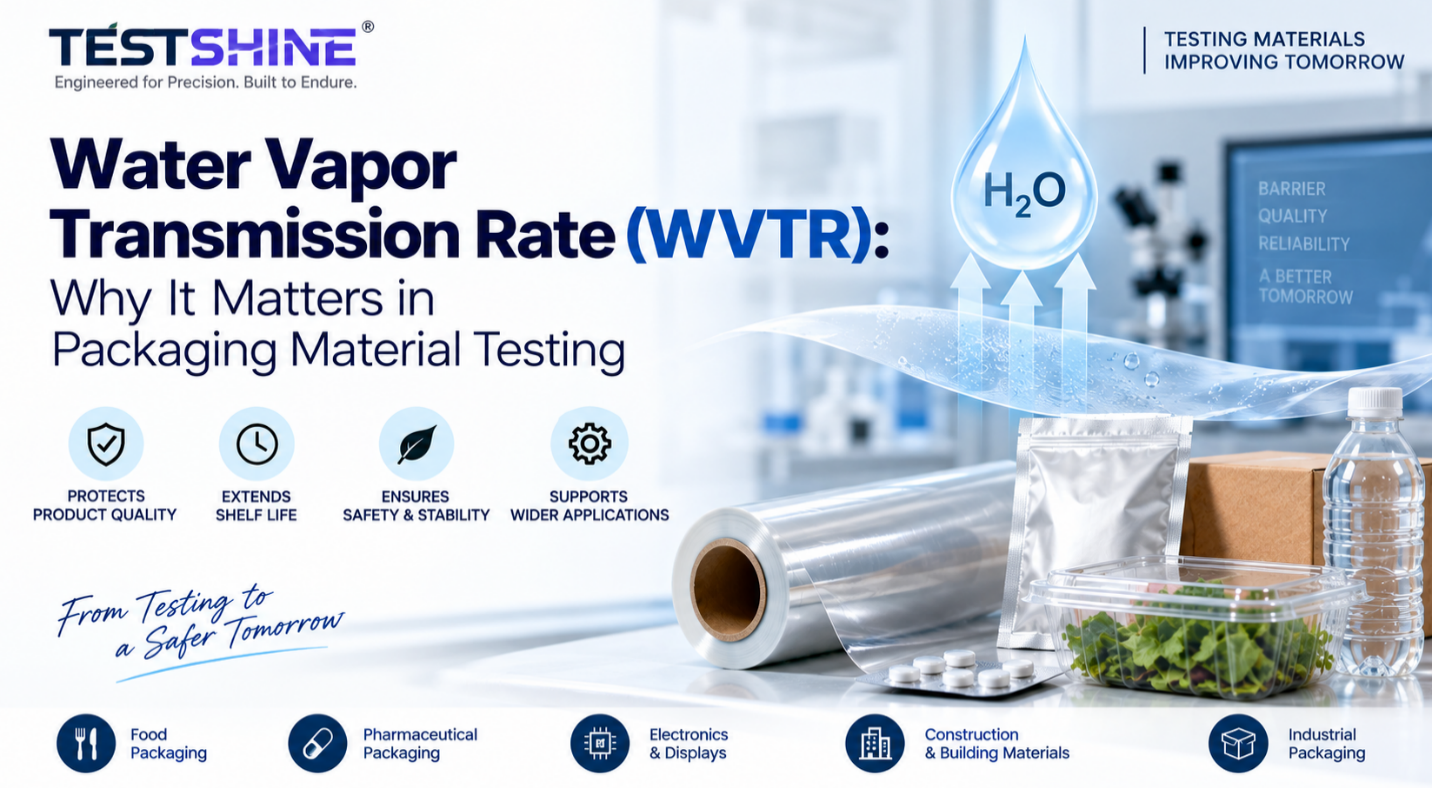
Water Vapor Transmission Rate (WVTR): Why It Matters in Packaging Material Testings
Introduction
Water Vapor Transmission Rate (WVTR), also called Moisture Vapor Transmission Rate (MVTR), measures how much water vapor moves through a set area of material or package over a fixed period of time, under set temperature and humidity conditions [1][2]. It is one of the most widely used measures of barrier performance in packaging science, because moisture moving into or out of a package is a leading cause of product breakdown across food, medicine, electronics, construction, and industrial packaging [3][9].
WVTR testing is used anywhere a material's ability to block, or in some cases allow, moisture movement has a direct effect on product quality, safety, or performance. This includes flexible plastic films, laminated materials, coated paper and cardboard, nonwoven fabrics, rigid containers such as bottles and blister packs, and multilayer barrier structures used in food and medicine packaging [1][6][9]. Materials built for very different purposes are all judged using the same basic idea: a package meant to protect a tablet that is sensitive to moisture needs an extremely low WVTR, while a breathable medical dressing or a rust protection wrap may be built, on purpose, for a higher rate [1].
This article explains what WVTR is, why it matters to manufacturers and quality control labs, the recognized standard test methods used to measure it, the factors that affect test results, and how the right method and equipment are typically chosen for a given packaging job. It also introduces the Testshine TS WVPA1 gravimetric water vapor permeability analyzer, a lab instrument relevant to gravimetric WVTR testing, at the point in the article where it genuinely applies.
Understanding Water Vapor Transmission Rate
WVTR measures the constant rate at which water vapor moves through a material when there is a fixed difference in vapor pressure, or humidity, between its two sides. It is usually reported in grams per square meter per day (g/m²·day) [1][2]. A related term, water vapor permeance, describes this rate adjusted for the vapor pressure difference across the material. Another term, water vapor permeability coefficient, further adjusts permeance for the material's thickness, but only for materials that are uniform all the way through. ASTM F1249 points out this distinction and warns that permeance and permeability numbers should be used with care, since the usual pattern (WVTR falling as thickness increases, and rising as the vapor pressure difference increases) does not always hold true for every material type [3].
Water vapor usually passes through plastic films by a process where it first sticks to the humid side of the material, then dissolves into it, moves through it following the difference in concentration, and finally leaves from the dry side. In materials with pinholes, tiny cracks, or weak seals, water can also travel through these gaps directly, and this path can end up dominating the total movement of moisture. This is why finished packages, such as bottles, blister packs, and pouches, are often tested as complete units rather than relying only on data from flat film samples [9][11].
ISO 2528 notes that the term water vapor transmission rate is technically more accurate than permeability, since permeability strictly refers to a material property adjusted for thickness and pressure difference, while WVTR as measured applies specifically to the actual sample and test conditions used [2].
Why WVTR Matters
Moisture is one of the main causes of product breakdown across a wide range of industries:
- Medicines: Moisture uptake is a well known cause of failure in packaged medicine products, since many active ingredients and other formula components easily absorb moisture. Excess moisture can speed up chemical breakdown, encourage microbial growth, or change how a tablet dissolves [9][14]. The Product Quality Research Institute (PQRI) has recorded moisture uptake as the most frequently cited cause of instability in packaged solid oral dosage forms [11].
- Food packaging: Barrier films and laminated materials protect dry, crisp, or shelf stable foods from picking up moisture, which can cause sogginess or spoilage, or from losing moisture, which can cause drying out. Either way, this directly affects shelf life and taste or texture quality.
- Electronics and displays: Components that are sensitive to moisture, including certain flexible display materials and solar panel backing sheets, need barrier films with very low WVTR values to prevent damage to sensitive layers.
- Construction and building materials: Vapor retarders and barrier membranes depend on known WVTR values for correct building design and moisture control [4].
Because WVTR test results are used directly in design, manufacturing, and marketing decisions, ASTM E96/E96M states that the purpose of WVTR testing is to obtain reliable values for water vapor movement through permeable and semipermeable materials, for use in design, manufacturing, and marketing, while cautioning that a permeance value found under one set of test conditions may not match the value under different conditions [1]. This is why choosing the correct standard method and test conditions for the intended use is essential, not a minor detail, when producing a useful result.
Testing Methods for WVTR
Several standard approaches exist for measuring WVTR, each based on a different detection method. The right choice depends on the expected barrier level of the material, the material type, and the environment it will actually be used in.
Gravimetric (Cup or Dish) Method
The gravimetric method is the oldest and most widely used approach, and it forms the basis of ASTM E96/E96M, ISO 2528, DIN 53122 1, TAPPI T 464, and GB/T 1037 [1][2][6][8]. In this method, a test sample is sealed across the mouth of a cup or dish that either holds a drying agent (called the desiccant method, or the dry cup method) or a source of water or moisture (called the water method, or the wet cup method). This sets up a fixed humidity difference across the sample [1]. The assembly sits inside a chamber with controlled temperature and humidity, and its weight is checked at regular intervals. As water vapor moves through the sample, the drying agent gains weight (dry cup) or the water source loses weight (wet cup). Once the rate of weight change settles into a steady pattern, WVTR is calculated from that rate of change, the sample area, and the test duration [1][2].
ASTM E96/E96M notes that results from the desiccant method and the water method should not be expected to match, and that the method chosen should come as close as possible to the real conditions the material will face in use [1]. This is because the two versions place different demands on how vapor moves through the sample, and any differences between them generally come down to whether vapor leaving or vapor entering the sample surface has more effect on the measurement [1].
ISO 2528 states that the gravimetric (dish) method is generally not recommended when the expected transmission rate is below 1 g/m²·day, or for materials thicker than 3 mm, in which case ISO 9932 is the preferred method. It also notes that the method does not work well for films damaged by hot wax or that shrink noticeably during testing [2].
Infrared Sensor Method
ASTM F1249 (with equivalent standards including ISO 15106 2, TAPPI T 557, JIS K 7129, and GB/T 26253) uses a modulated infrared sensor to detect water vapor levels [3][4]. One side of the sample is exposed to a controlled humidity level (commonly 90% or 100% relative humidity), while a dry carrier gas passes across the other side and carries any water vapor that has moved through the sample to the infrared sensor, which measures the vapor level and calculates the transmission rate [3]. This method works for sheets and films up to 3 mm thick, and it can report WVTR, permeance, and, for uniform materials, the water vapor permeability coefficient [3].
Electrolytic Sensor Method
Described in ISO 15106 3, this method divides a test chamber into two sections with the sample placed between them, exposing one side to moist gas and the other to dry gas. Water vapor that passes through the sample is carried to an electrolytic sensor, which detects and measures the water content to calculate WVTR [4][5]. Instruments using this method are commonly chosen for high barrier films, where sensitivity and stable readings at very low transmission rates matter most.
Humidity Sensor Method
ISO 15106 1 describes a method that uses a humidity sensor rather than infrared or electrolytic detection. It is used in some regional and industry specific testing programs alongside the other parts of ISO 15106 [4].
Key Test Parameters
| Test Parameter | What It Measures | Why It Matters |
|---|---|---|
| Water Vapor Transmission Rate (WVTR) | The mass of water vapor passing through a set area of material over a set time, under stated conditions | Directly shows the moisture barrier performance of the sample as tested [1][2] |
| Water Vapor Permeance | WVTR adjusted for the vapor pressure difference across the sample | Allows comparison of transmission behavior regardless of the exact pressure difference used in a given test [3] |
| Water Vapor Permeability Coefficient | Permeance adjusted for sample thickness, for materials that are uniform throughout | Helps estimate barrier performance at different thicknesses of the same uniform material, used with caution as advised in ASTM F1249 [3] |
| Test Temperature | The temperature at which the test runs | Vapor movement depends on temperature, so results can only be compared fairly at matching temperatures [1][9] |
| Relative Humidity Difference | The humidity gap kept across the sample | Directly drives the movement of vapor. Different standards call for different humidity conditions, for example TAPPI T 464 sets 37.8°C and 90% RH on one side with a drying agent on the other [6] |
| Time Needed to Reach a Steady Rate | The time it takes for the rate of weight change, or sensor signal, to settle | WVTR is only valid once a steady rate of movement has been reached. Results taken too early can misrepresent barrier performance [1][3] |
Testing Procedure and Workflow
The exact steps vary by method and standard, but WVTR testing generally follows this general workflow:
- Sample preparation: Samples are cut to the required size and kept under set temperature and humidity conditions before testing, following the referenced standard.
- Sealing and mounting: The sample is mounted and sealed, either across a cup mouth for gravimetric testing, or inside a test chamber for sensor based methods, to stop leaks around the edges, since edge leaks would make the transmission measurement invalid.
- Setting the humidity difference: The instrument sets and holds the stated temperature and relative humidity on each side of the sample, for example a drying agent or a water source on one side, and a controlled or dry gas stream on the other.
- Watching for a steady rate: Weight (for the gravimetric method) or sensor signal (for infrared or electrolytic methods) is recorded at intervals until the rate of change stays constant, showing that a steady rate of movement has been reached [1][3].
- Calculation: WVTR is calculated from the steady rate of weight change, or the equivalent sensor reading, the exposed sample area, and the formula given in the relevant standard. Permeance, and where relevant the permeability coefficient, can also be worked out [1][3].
- Reporting: Results are reported together with the test method, temperature, humidity conditions, and sample details, since WVTR values can only be compared meaningfully when they come from matching conditions [1].
Factors Affecting Test Results
Several variables affect WVTR results and must be controlled, or at least reported, for the results to be meaningful and repeatable:
- Temperature: Higher temperatures raise water vapor transmission rates because water molecules move faster at higher temperatures, and the movement of vapor speeds up with heat [9].
- Relative humidity difference: The size of the humidity gap across the sample drives how fast vapor moves. Different standards set different reference conditions, for example TAPPI T 448 uses 23°C and 50% RH, while TAPPI T 464 uses 37.8°C and 90% RH, and results from one set of conditions should not be compared directly with results from another without accounting for the difference [1][6].
- Sample thickness: For uniform materials, thicker samples generally show a lower WVTR, because water vapor has to travel a longer path. This pattern does not always hold for laminated, coated, or non uniform structures, which is why ASTM F1249 warns against using permeability coefficients without care [3][9].
- Test method (desiccant versus water, gravimetric versus sensor based): Different methods stress different parts of the vapor movement process, and ASTM E96/E96M clearly states that agreement should not be expected between the desiccant method and the water method [1].
- Sample and seal quality: Pinholes, seal problems, or edge leaks, which matter especially for finished packages such as blister packs and bottles, can end up dominating the measured transmission and hide the true barrier property of the material itself. This is one reason ASTM D7709 was created specifically for testing medicine bottles and blister packs as complete sealed container systems [9][10].
- How easily the sample absorbs moisture: Materials that readily take up moisture can be hard to test with long term stability, since a disturbance such as removing a cup for weighing can temporarily upset the humidity balance inside the sample and affect measurement accuracy for some time afterward [8].
- Creasing or folding: For paper and paperboard materials meant for creased or folded packaging, TAPPI T 464 notes that creased samples can be tested using the procedures in TAPPI T 465 or TAPPI UM 590, since creasing can change barrier performance compared to a flat sheet [6].
Standards and Test Methods
| Standard | Title / Scope | Method Principle |
|---|---|---|
| ASTM E96/E96M | Standard test methods for water vapor transmission of materials. Covers paper, plastic films, other sheet materials, fiberboards, gypsum and plaster products, wood products, and plastics up to 32 mm thick [1] | Gravimetric (desiccant and water methods) |
| ISO 2528 | Sheet materials, determination of water vapour transmission rate (WVTR), gravimetric (dish) method. Not generally recommended below 1 g/m²·day or above 3 mm thickness [2] | Gravimetric (dish method) |
| ASTM F1249 | Standard test method for water vapor transmission rate through plastic film and sheeting using a modulated infrared sensor. Applies to sheets and films up to 3 mm thick [3] | Modulated infrared sensor |
| ISO 15106 2 | Plastics, film and sheeting, determination of water vapour transmission rate, part 2: infrared detection sensor method [4] | Infrared sensor |
| ISO 15106 3 | Plastics, film and sheeting, determination of water vapour transmission rate, part 3: electrolytic detection sensor method [4][5] | Electrolytic sensor |
| TAPPI T 464 om 22 | Water vapor transmission rate of paper and paperboard at high temperature and humidity. Gravimetric measurement at 37.8°C, 90% RH on one side with a drying agent on the other, for materials up to 3 mm thick [6] | Gravimetric |
| DIN 53122 1 | Testing of plastics and elastomer films, paper, board and other sheet materials, determination of water vapour transmission, part 1: gravimetric method [7] | Gravimetric |
| GB/T 1037 2021 | Test method for water vapor transmission of plastic film and sheet, desiccant method and water method (replaces GB/T 1037 1988) [8] | Gravimetric (desiccant and water methods) |
| ASTM D7709 | Standard test methods for measuring water vapor transmission rate (WVTR) of pharmaceutical bottles and blisters. Covers high barrier multiple unit containers (bottles), high barrier single unit containers (blisters), and quasi barrier single unit containers, tested closed and sealed [9] | Gravimetric, whole package level |
Additional background relevant to medicine container and closure systems: the United States Pharmacopeia (USP) General Chapter <671>, "Containers, Performance Testing for Plastic Containers," has historically provided the accepted gravimetric method for moisture vapor transmission rate testing referenced by pharmacists, manufacturers, and FDA guidance on container and closure systems since the 1970s. A proposed update aligned with ASTM D7709 has been discussed by USP and PQRI to modernize the method for bottles and blister packaging used today [10][11][12][14].
Industry Applications
WVTR testing is applied across a wide range of industries and material types:
- Flexible packaging: Plastic films, coextruded and laminated films, and aluminum or foil laminated structures used for food pouches, snack bags, and industrial packaging.
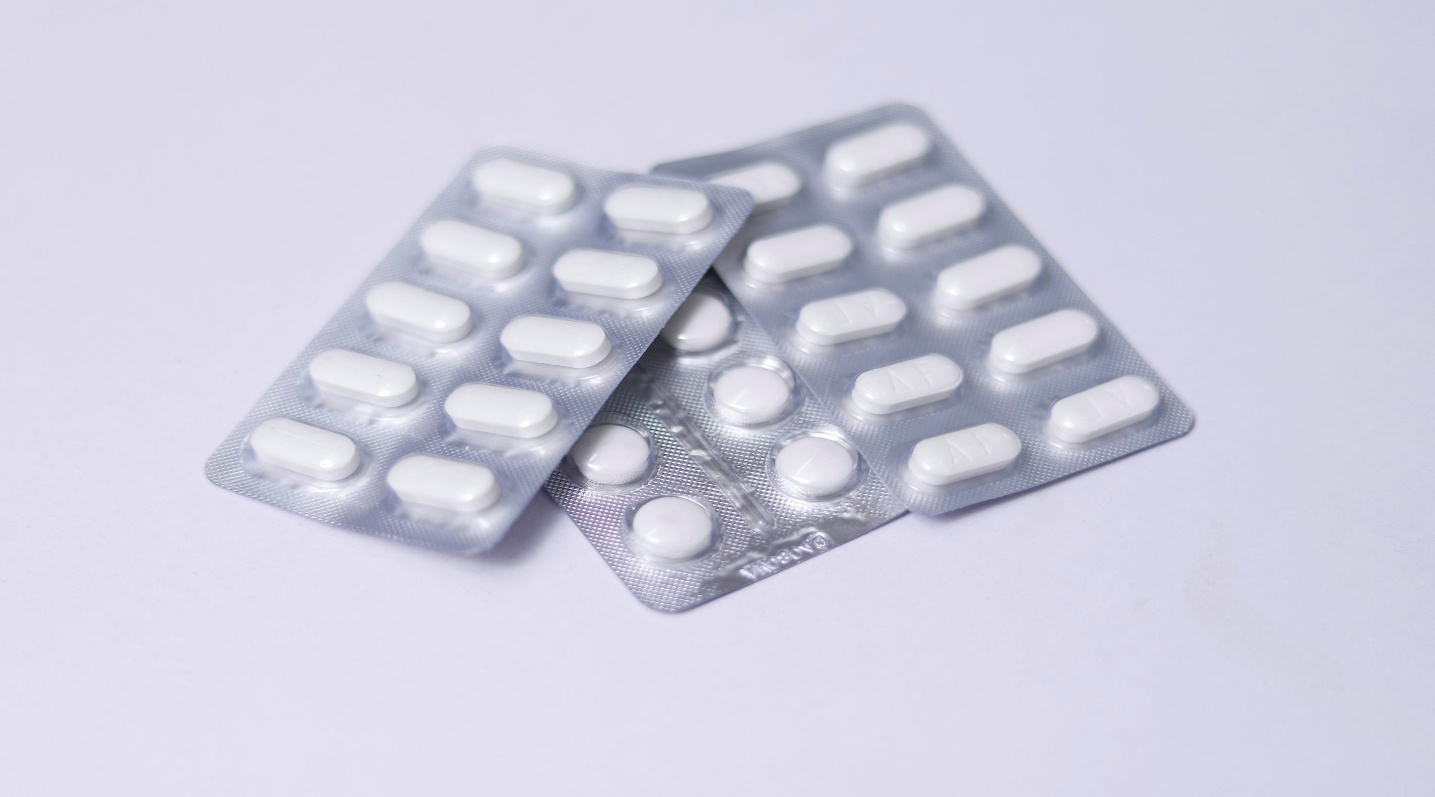
- Rigid medicine packaging: Bottles and blister packs for solid oral dosage forms, tested as complete sealed container systems under standards such as ASTM D7709, since seal and cap performance affects overall moisture entry as much as the base material does [9].
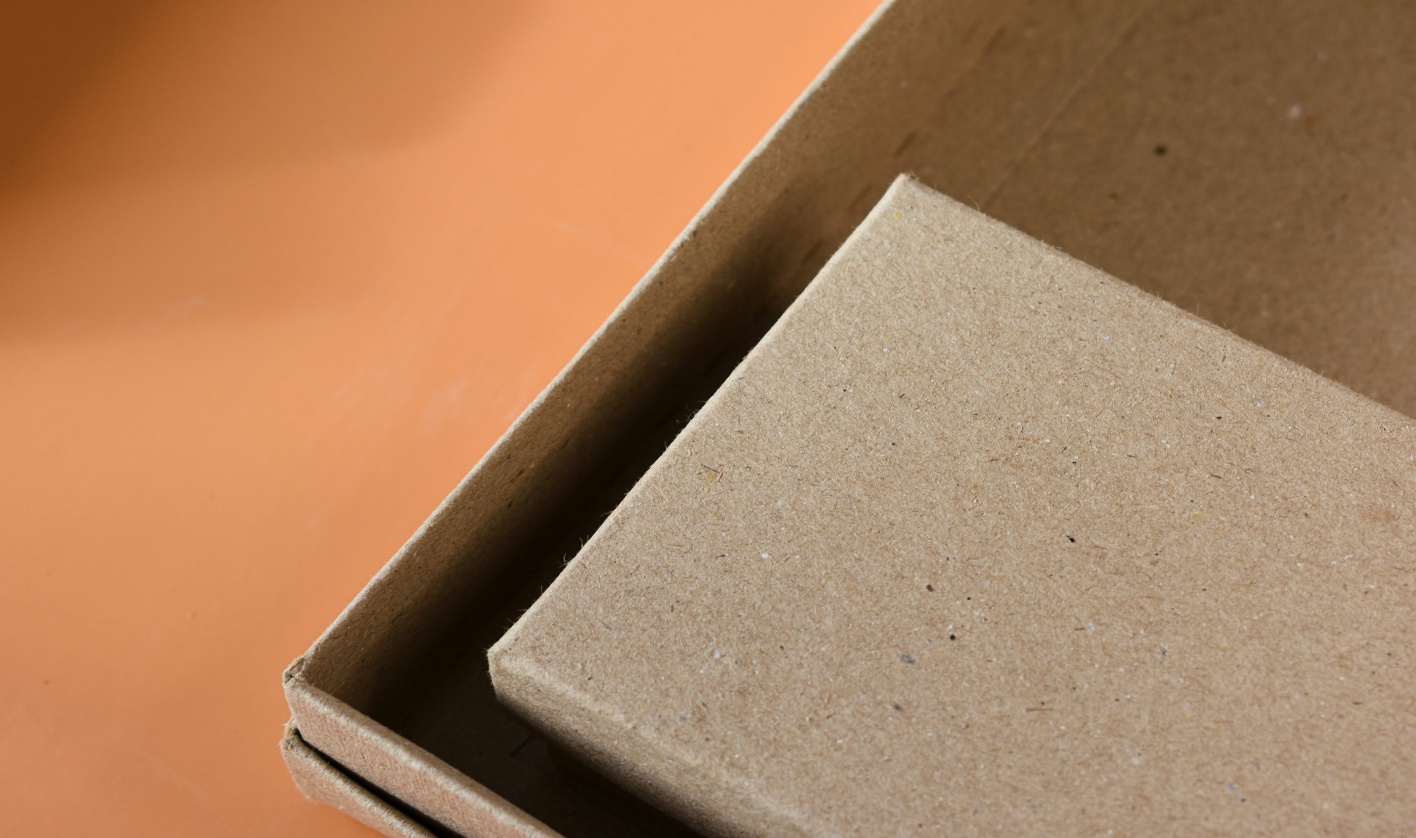
- Paper and paperboard packaging: Coated and treated papers and cartons, including uses such as cigarette packaging and liquid cartons, tested under methods such as TAPPI T 464 [6].
- Medical and hygiene products: Nonwoven fabrics used in wound dressings, protective clothing, and hygiene products, where a controlled WVTR, rather than the lowest possible one, may be part of the intended design.
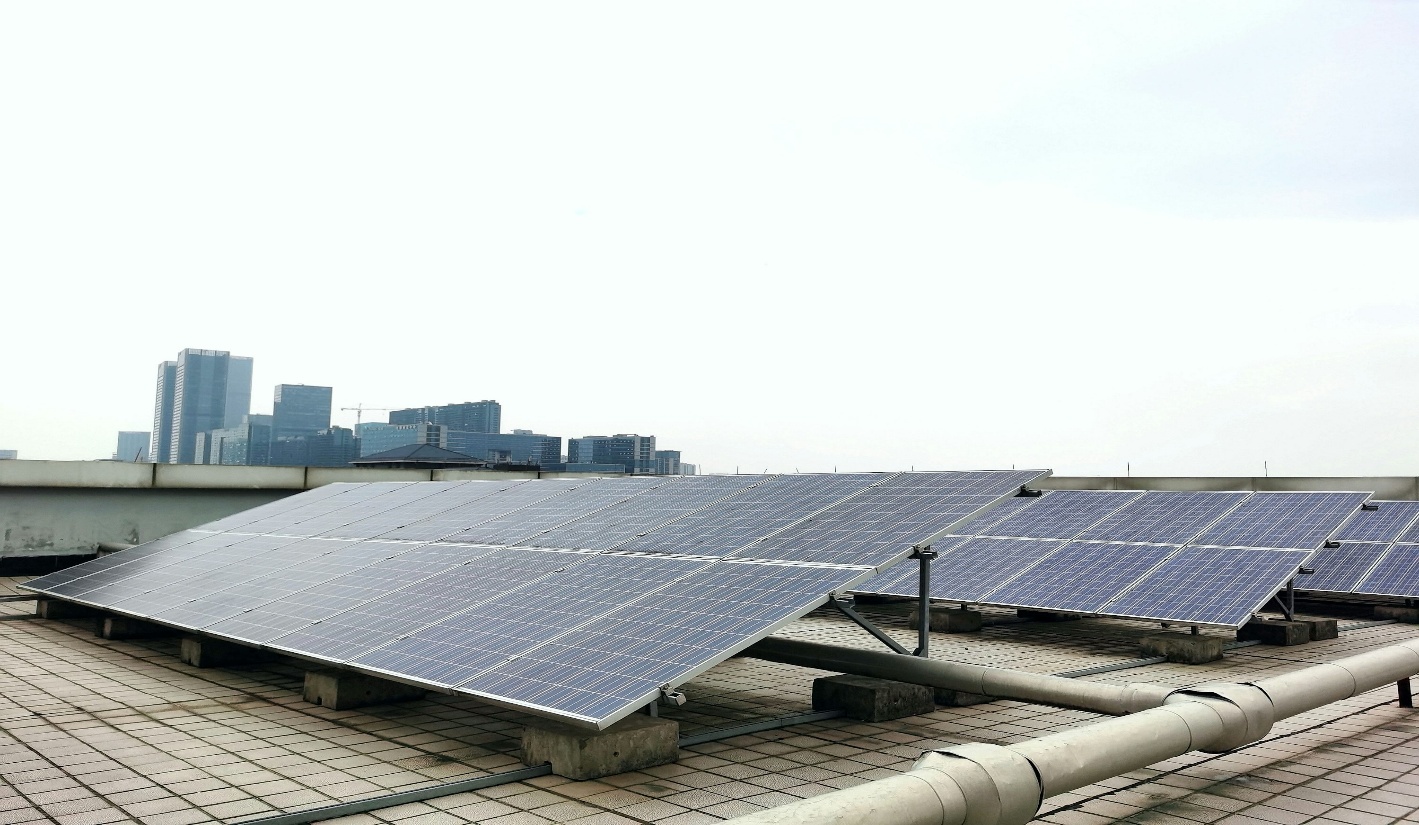
- Electronics and solar panels: Barrier films protecting components that are sensitive to moisture, including certain backing sheet materials, where very low WVTR values are required.
- Construction materials: Vapor retarder membranes and building wraps, where known WVTR values support moisture management in building design [4].
Quality Control and Product Development
WVTR testing supports several practical functions across the life of a product:
- Checking incoming materials: Confirming that raw films, laminated materials, or coated substrates meet the required barrier standards before they go into production.
- Batch to batch consistency: Spotting variation in barrier performance that may come from changes in resin formula, coating weight, lamination process, or film thickness.
- Comparing materials and processes: Giving an objective, standard basis for comparing candidate materials, suppliers, or process changes, such as a new coating or barrier layer, against a defined test method and set of conditions.
- Checking finished packages: For products such as medicine bottles and blister packs, confirming that the assembled package, including seals and closures, meets the intended barrier level, since seal defects can end up dominating the transmission behavior of an otherwise good material [9].
- Supporting shelf life decisions: WVTR data, combined with other stability and formula information, is one input packaging and formula teams use when judging moisture related product stability. PQRI has recorded moisture uptake as a frequent cause of packaging failure for solid oral dosage forms, which is why barrier testing is built into medicine packaging development [11].

WVTR results should always be read alongside the specific test method and conditions used, since results from different methods, or different humidity and temperature conditions, are not directly comparable [1].
Common Testing Challenges
- Reaching and confirming a steady rate: Because WVTR is only valid once vapor movement has settled into a steady pattern, tests stopped too early can understate or overstate barrier performance. Test times can range from a few hours to several weeks, depending on how strong the material's barrier is.
- Disagreement between methods: As ASTM E96/E96M notes, results from the desiccant method and the water method should not be expected to match, so the method must be chosen to reflect the real conditions of use rather than convenience [1].
- Samples that absorb moisture easily: Materials that readily take up moisture can be disturbed by routine handling, such as periodic weighing, which temporarily upsets the humidity balance and affects how stable the results are [8].
- Edge leaks and seal quality in finished packages: For bottles, blister packs, and pouches, the measured WVTR can end up dominated by seal or closure defects rather than the material itself. This is part of the reason dedicated finished package standards such as ASTM D7709 exist [9].
- Materials with very low permeability: For very high barrier films, common in medicine and electronics applications, reliably measuring extremely low transmission rates needs methods and equipment with enough sensitivity. Gravimetric dish methods are specifically not recommended by ISO 2528 below roughly 1 g/m²·day [2].
- Comparing results across standards: Because different standards set different temperature and humidity conditions, for example TAPPI T 448 at 23°C and 50% RH versus TAPPI T 464 at 37.8°C and 90% RH, results produced under different standards cannot be swapped for one another without clearly noting the conditions used [6].
How to Select the Appropriate Testing Method
Choosing the right WVTR method depends on several factors grounded in the science, not convenience alone:
- Expected barrier range of the material. Gravimetric methods under ASTM E96/ISO 2528 apply broadly but are not recommended by ISO 2528 for very low transmission rates (below about 1 g/m²·day) or for materials thicker than 3 mm, where alternative methods such as ISO 9932 are preferred [2]. Infrared and electrolytic sensor methods (ASTM F1249, ISO 15106 2/3) are commonly used where higher sensitivity or shorter test times are needed for barrier films [3][4].
- Material form: flat film versus finished package. Flat film methods (ASTM E96, ISO 2528, ASTM F1249) test the material itself, while finished package methods (ASTM D7709) are needed to evaluate the actual container and closure system, including seals and closures, which matters most for medicine bottles and blister packs [3][9].
- Regulatory or customer specified standard. Some industries and regions call for a particular standard, for example TAPPI methods for paper and paperboard, GB/T 1037 in China, or USP <671> aligned methods for United States medicine packaging. The applicable specification should generally decide which method is used [6][8][10].
- Intended conditions of actual use. ASTM E96/E96M recommends choosing test conditions that come as close as possible to the real conditions of use, since a permeance value found under one set of conditions may not represent performance under different service conditions [1].
- Lab throughput and available equipment. Gravimetric testing is well established, uses fairly simple equipment, and remains the reference method behind several ISO, ASTM, TAPPI, DIN, and GB/T standards, making it a common starting point for labs building general purpose WVTR testing capability [1][2][6][7][8].
Conclusion
Water Vapor Transmission Rate testing gives an objective, standard basis for judging the moisture barrier performance of packaging materials, from flexible films and coated papers to finished medicine bottles and blister packs. Because the different standard methods, gravimetric, infrared sensor, and electrolytic sensor, rest on different detection principles and cannot simply be swapped for one another, labs and manufacturers need to choose the method, standard, and test conditions that match the material type, the expected barrier range, and the real environment the product will be used in. When carried out and read correctly, WVTR data supports checking incoming materials, monitoring batch consistency, comparing materials, and verifying packaging systems across the food, medicine, medical, electronics, and construction industries.
Relevant Testshine Product
Measure Gravimetric Water Vapor Permeability with the Testshine TS-WVPA1
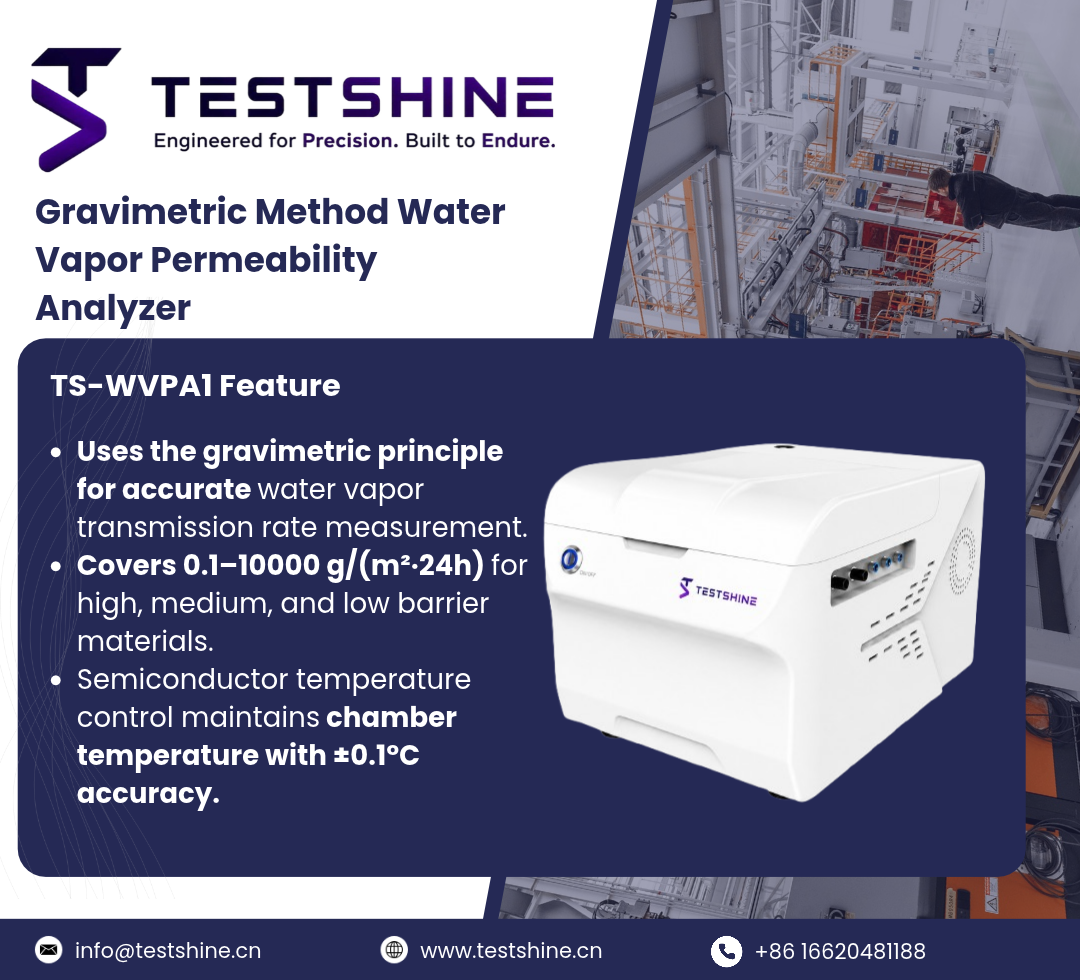
The gravimetric testing principle covered throughout this article is the basis of the Testshine TS-WVPA1 Gravimetric Method Water Vapor Permeability Analyzer, built to GB/T 1037 and ASTM E96.
Why it fits the WVTR testing workflow described in this article:
- Standards aligned. Designed to GB/T 1037 and ASTM E96, the gravimetric standards this article covers.
- Wide measurement range. Covers 0.1 to 10,000 g/(m²·24h), suiting high, medium, and low barrier materials.
- Controlled test conditions. Runs at 15 to 55°C and up to 90% RH, the temperature and humidity differential this article identifies as the driver of vapor diffusion.
- Broad material compatibility. Tests films, pharmaceutical sheets, and paper/cardboard, the same material categories discussed throughout this article.
- Automated operation. One button testing with automatic result evaluation, useful for the repeatable, steady state readings this article describes.
The TS-WVPA1 suits laboratories running gravimetric WVTR testing across food, pharmaceutical, medical device, and packaging applications, as discussed throughout this article.
References
-
ASTM International, "ASTM E96/E96M-16, Standard Test Methods for Water Vapor Transmission of Materials," 2016. https://www.astm.org/Standards/E96.htm
-
International Organization for Standardization, "ISO 2528:2017, Sheet materials, Determination of water vapour transmission rate (WVTR), Gravimetric (dish) method," 2017. https://www.iso.org/standard/72382.html
-
ASTM International, "ASTM F1249, Standard Test Method for Water Vapor Transmission Rate Through Plastic Film and Sheeting Using a Modulated Infrared Sensor." https://store.astm.org/f1249-01.html
-
Deutsches Institut für Normung (DIN), record of DIN EN ISO 15106-1, -2 and -3 (based on ISO 15106-1:2003, ISO 15106-2:2003, and ISO 15106-3:2003), "Plastics, Film and sheeting, Determination of water vapour transmission rate, Parts 1 to 3." https://din.de/en/getting-involved/standards-committees/fnk/publications/wdc-beuth:din21:593624/DEFAULT/quotedBy
-
Deutsches Institut für Normung (DIN), "DIN EN ISO 15106-2:2005, Plastics, Film and sheeting, Determination of water vapour transmission rate, Part 2: Infrared detection sensor method," cross reference record. https://din.de/en/getting-involved/standards-committees/navp/publications/wdc-beuth:din21:79621386/DEFAULT/quote
-
Technical Association of the Pulp and Paper Industry (TAPPI), "T 464 om-22, Water vapor transmission rate of paper and paperboard at high temperature and humidity," 2022. https://imisrise.tappi.org/TAPPI/Products/01/T/0104T464.aspx/
-
Deutsches Institut für Normung (DIN), "DIN 53122-1:2001-08, Testing of plastics and elastomer films, paper, board and other sheet materials, Determination of water vapour transmission, Part 1: Gravimetric method," 2001. https://din.de/en/wdc-beuth:din21:40508039
-
Standardization Administration of the People's Republic of China, "GB/T 1037-2021, Test method for water vapor transmission of plastic film and sheet, Desiccant method and water method," issued November 26, 2021, implemented June 1, 2022. https://webstore.ansi.org/standards/spc/gb10372021
-
ASTM International, "ASTM D7709-12(2023), Standard Test Methods for Measuring Water Vapor Transmission Rate (WVTR) of Pharmaceutical Bottles and Blisters," 2023. https://store.astm.org/d7709-12.html
-
D. Allen, "Testing Moisture Permeation," Packaging Digest, December 9, 2015. https://www.packagingdigest.com/regulations-standards/testing-moisture-permeation
-
PQRI Container Closure Working Group, "Basis for Using Moisture Vapor Transmission Rate Per Unit Product in the Evaluation of Moisture Barrier Equivalence of Primary Packages for Solid Oral Dosage Forms," Product Quality Research Institute, September 2004. https://pqri.org/wp-content/uploads/2016/08/WhitePaper.pdf
-
GMP Compliance Services, "Container Performance Testing, New Proposal for USP General Chapter <671>," gmp-compliance.org. https://gmp-compliance.org/gmp-news/container-performance-testing-new-proposal-for-usp-general-chapter-671
-
N. Mehrotra, "A Study of Water Vapor Transmission Rate of Blister Packs by USP Standard and Continuous Gravimetric Protocol," M.S. Thesis, Packaging, Michigan State University, 2010. https://d.lib.msu.edu/etd/51/OBJ/download
-
Pharmaceutical Technology, "Moisture Permeation of Pharmaceutical Packaging." https://pharmtech.com/view/moisture-permeation-pharmaceutical-packaging